Youth Funder 2.0: Teaching youth workers across Europe to crowdfund
Across Europe, many young people have ideas that could create jobs or solve problems in their communities, but they rarely get the chance to fund them. Banks and traditional funders are out of reach, uncertainty and lack of information hold them back, and too often the result is unemployment or leaving home. Crowdfunding can change that: it lets young people raise money quickly, test their ideas and gain visibility, while building skills the job market values, from planning and budgeting to storytelling and digital marketing.
The problem was that almost no one was teaching it. In the partner countries, crowdfunding support for young people was practically non-existent in both formal and non-formal education, and youth organisations had no methodology for teaching it. Youth Funder 2.0 set out to fill that gap by training the people who work with young people every day: youth workers.
A second, upgraded edition
Youth Funder 2.0 built on the first Youth Funder project Brodoto ran two years earlier, which received excellent feedback from partners and the national agency. For the second edition, we updated the content with three more years of crowdfunding experience and put much stronger focus on teaching methodology, so youth workers could take what they learned straight into their daily work.
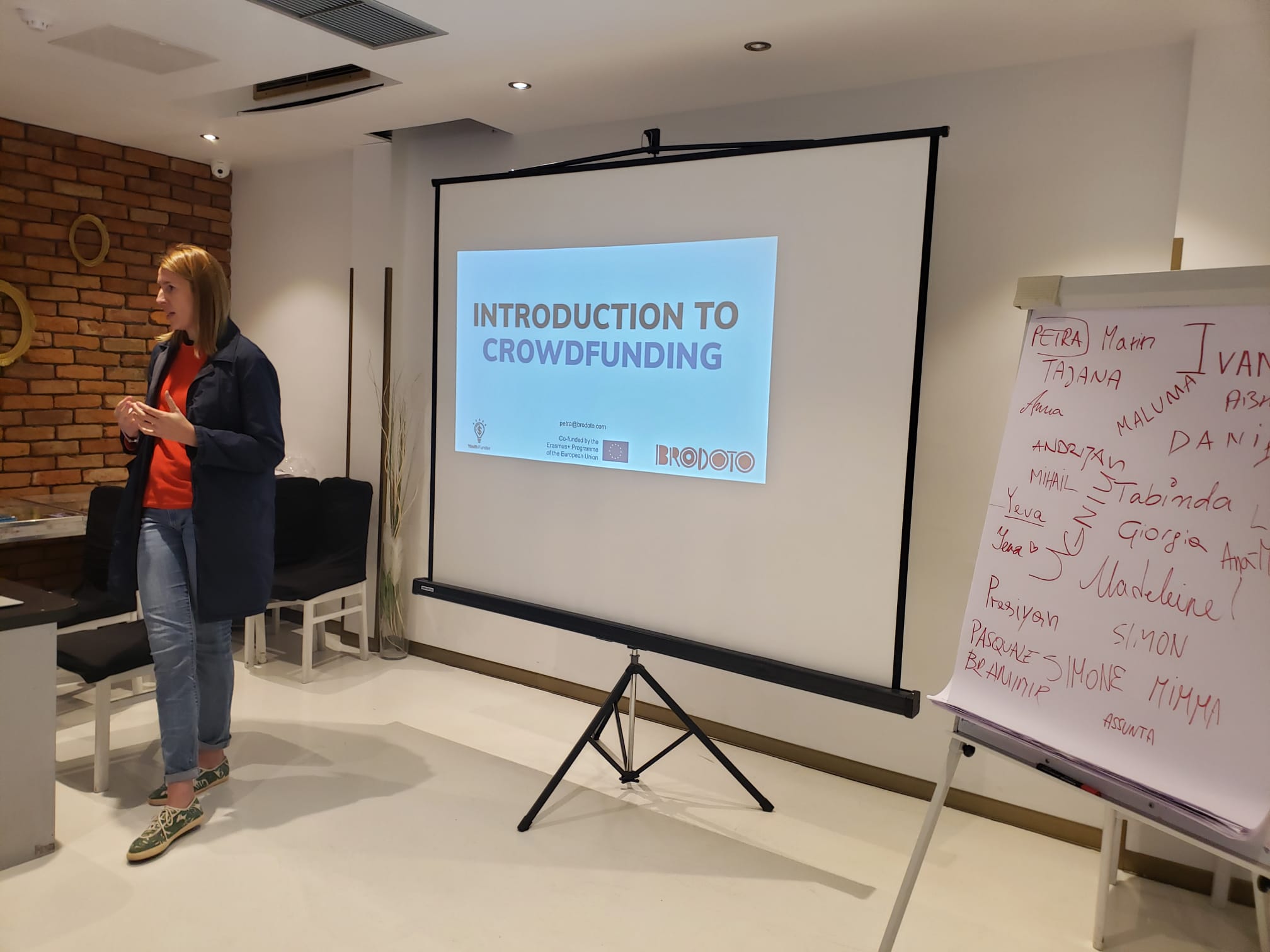
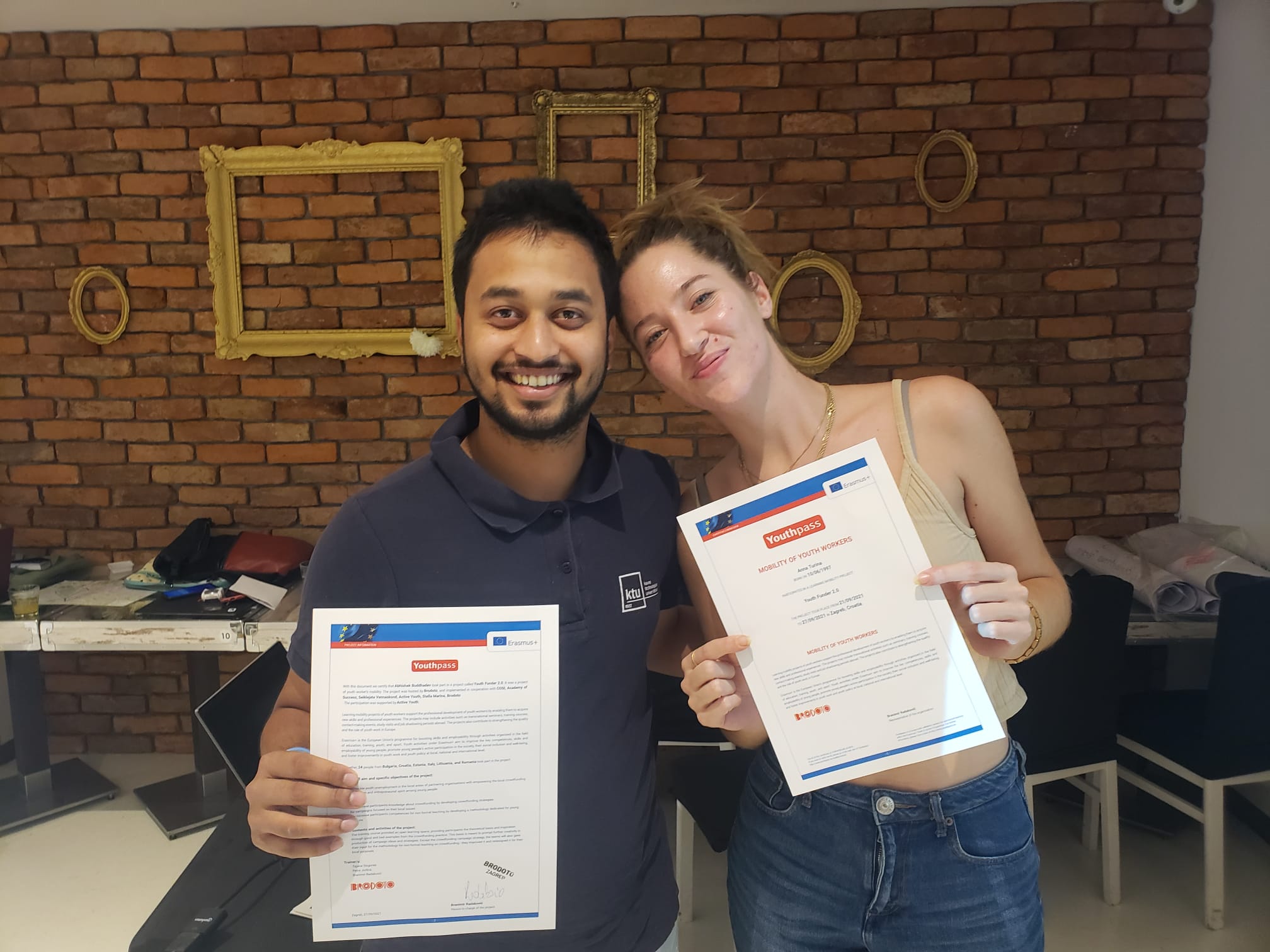
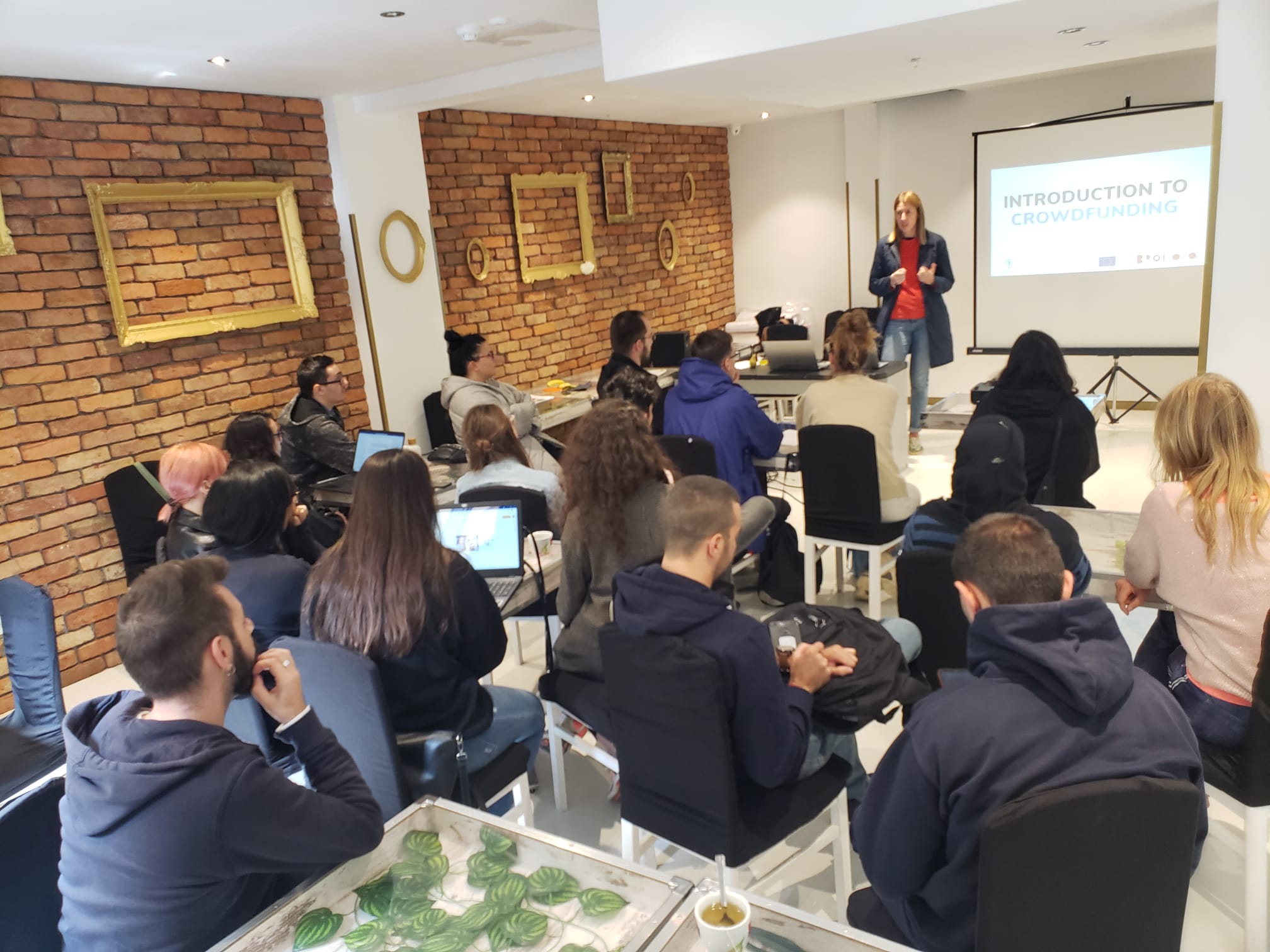
The project was funded by the Erasmus+ programme (Key Action 1, mobility of youth workers) through the Croatian Agency for Mobility and EU Programmes. It ran for 15 months, from August 2020 to October 2021, and its central activity was a seven-day training course in Zagreb from 21 to 27 September 2021.
Who took part
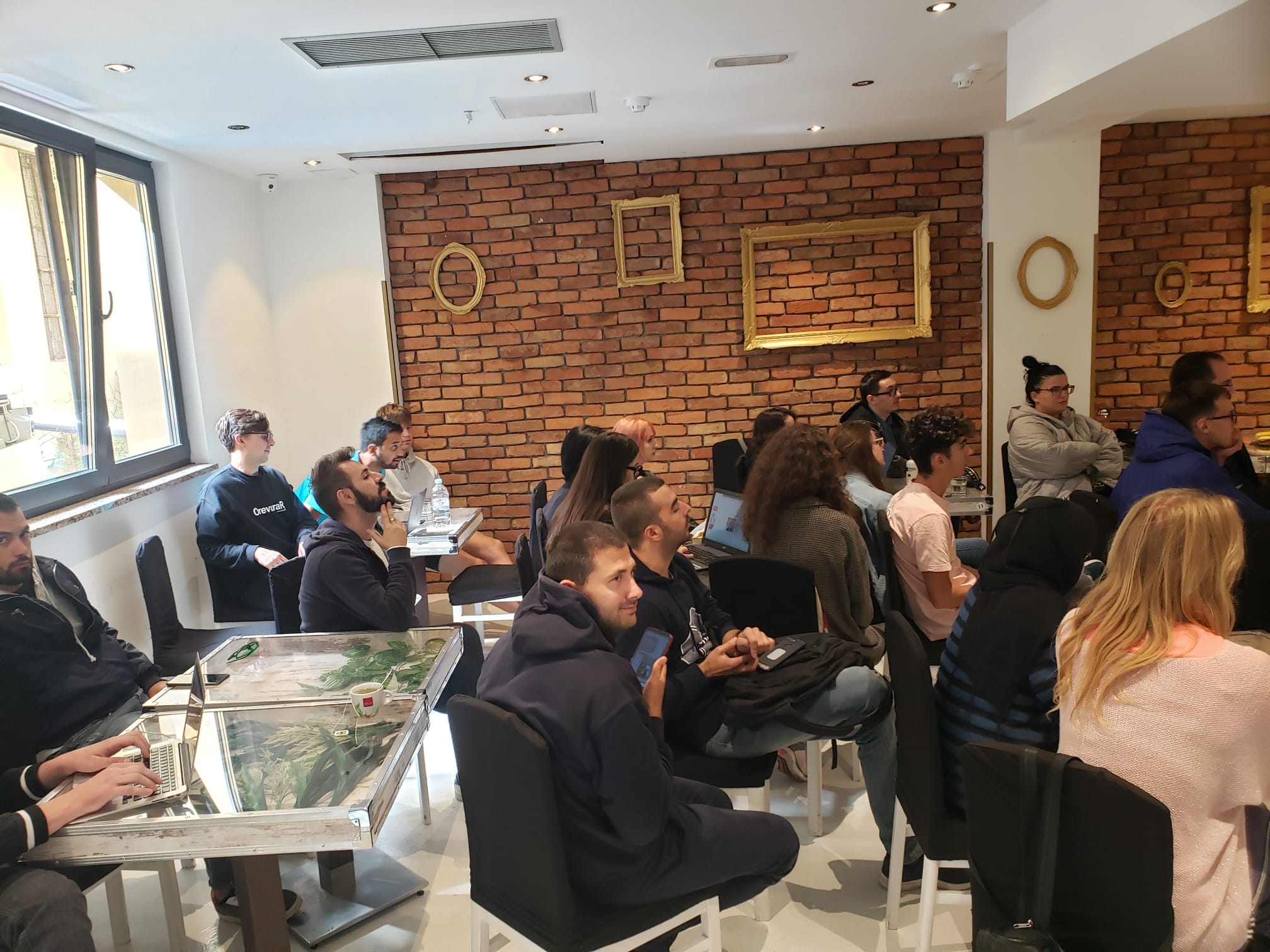
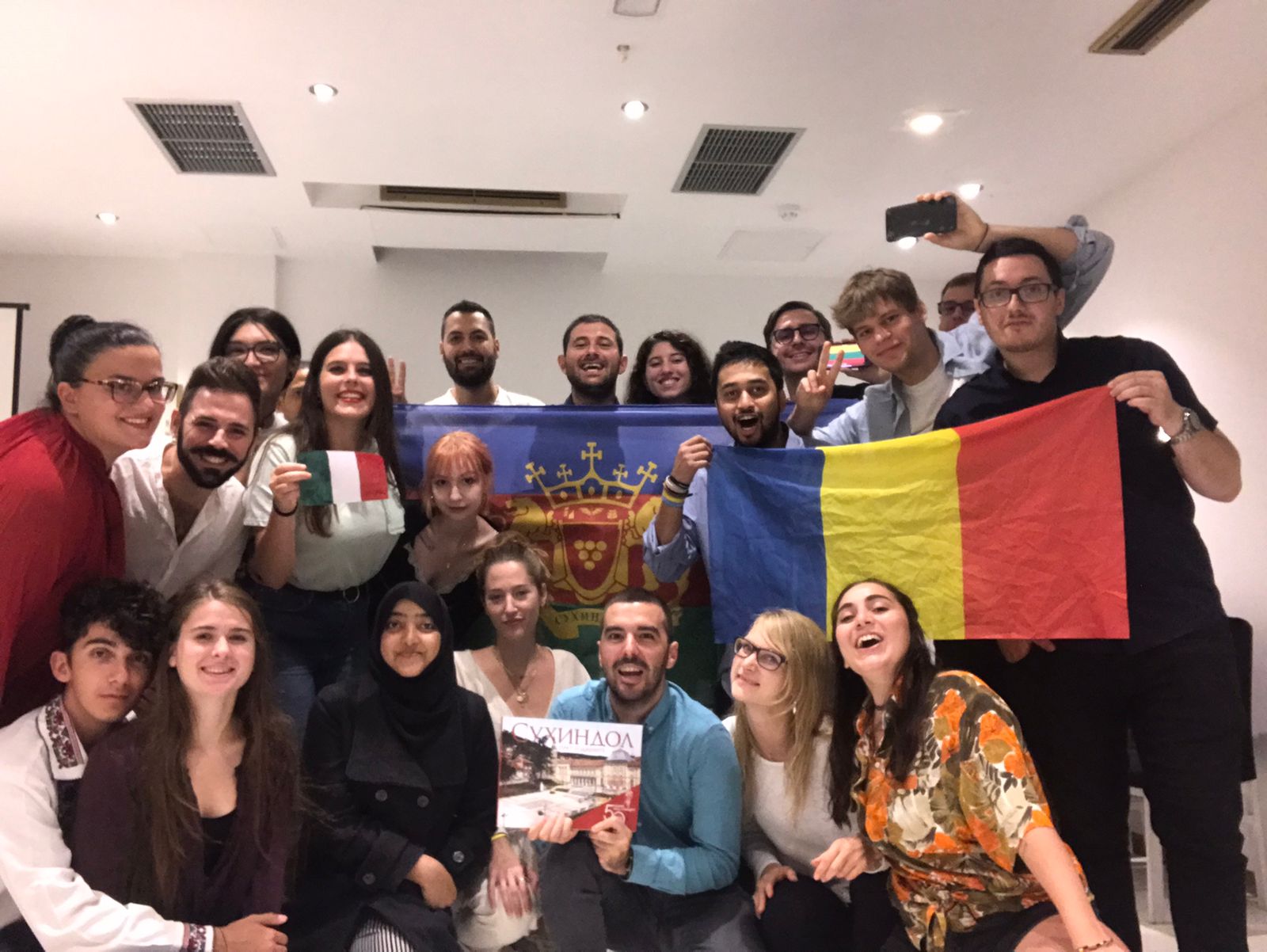
Brodoto hosted 27 youth workers from six countries, eight of them from backgrounds with fewer opportunities. Our partners were:
- Academy of Success (Akademiya na uspeha), Stara Zagora, Bulgaria
- Seiklejate Vennaskond, Tartu, Estonia
- Stella Marina Cultural Association, Taranto, Italy
- Active Youth (Aktyvus jaunimas), Kaunas, Lithuania
- COSI – Civic Orientation and Social Integration, Dobroești, Romania
All of them work with young people through non-formal education, many with youth who have fewer opportunities: NEETs, migrants, young people in correctional institutions and those affected by addiction. This mix of experience made the exchange of practice between partners one of the project’s greatest strengths.
What we covered
Before arriving in Zagreb, each partner researched how crowdfunding is taught in their country and prepared examples of interesting local campaigns. The training then followed the full journey of a campaign, day by day:
- Crowdfunding basics: models, platforms and the technical side of running a campaign
- Local youth problems: national teams identified the challenges young people face at home and chose one to solve through crowdfunding
- Equity crowdfunding and blockchain: how investment-based models differ from donation and reward campaigns
- Campaign strategy and target groups: who the campaign is for and how to reach them
- Storytelling and the elevator pitch: presenting an idea in a way that moves people to act
- Visual communication and video: writing a video scenario for the campaign
- Perks and rewards: designing rewards backers actually want
- Communication plan and social media campaigns: reaching supporters before, during and after launch
- Adapting the approach to local youth work: turning everything learned into workshops for their own young people
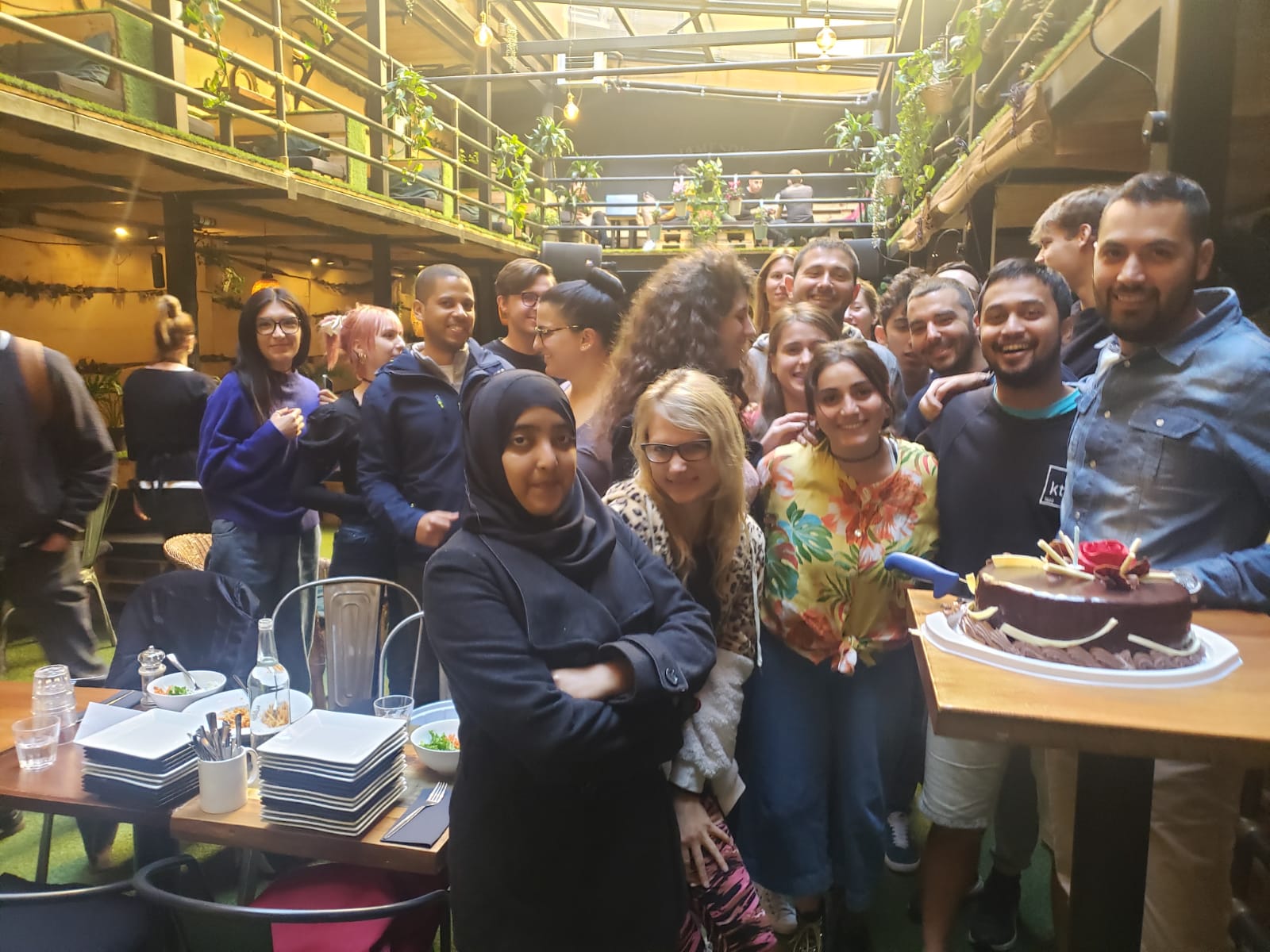
A panel with successful crowdfunders, a presentation of Stella Marina’s own crowdfunding experience, an intercultural evening and daily reflection groups rounded off the week.
Learning by doing
Every workshop was one piece of a real campaign strategy. Participants filled in a strategy template as they went, which also served as a learning diary. To add an international perspective, we mixed the national groups, so each campaign was shaped by youth workers from several countries. Methods ranged from case studies, pair and group work and reciprocal teaching to creating social media content and branding.
Outcomes
Each national team left Zagreb with two concrete results:
- A complete crowdfunding strategy for a campaign tackling a local problem that affects young people in their community.
- A methodology for teaching crowdfunding in non-formal education, adapted to their own target groups, with a ready plan for a workshop back home: its topics, length, format, tools and promotion.
Beyond crowdfunding, participants strengthened a wide range of key competences: digital skills (video, design, platforms), mathematical skills (budgeting, financial planning), entrepreneurship (strategy, project management), communication (copywriting, promotion) and social and civic skills.
Impact after the training
The partners took the methodology home and ran their own workshops. Lithuanian youth workers held an online workshop for 15 people, Bulgarian partners organised their own session following the plan made in Zagreb, Stella Marina presented the results to a high school class of 30 students in Taranto, COSI shared them with youth workers in Romania, and in Croatia we ran a workshop for architecture and engineering students who developed crowdfundable ideas for their local area.
Brodoto also presented crowdfunding for young people at the “What is the difference?” conference in Taranto, in front of 250 students, professors and youth workers. In total, more than 350 high school and college students took part in workshops or lectures on crowdfunding and social entrepreneurship as a result of the project.
The partnerships continued after the project ended, with new joint projects with Active Youth and Stella Marina and a new partnership with CIOFS Puglia in Italy, focused on workshops for disadvantaged women and migrants.