The cultural sector is always short on two things – money and an audience. The Crowdfunding Academy for cultural and artistic initiatives, run by Brodoto and co-funded by the City of Zagreb, showed that the two can be solved together. The response said it all before the first workshop even began: more than 40 applications came in, and 15 selected initiatives made it into the programme.
A scene that was looking for a tool
The sheer number of applications confirmed what people in culture already know – the need for this kind of knowledge is real and large. The programme drew a wide range of players: from independent theatres and filmmakers to visual and music projects and small creative businesses. Media visibility helped the call reach the right people. On social media the campaign reached 19,400 people in Zagreb, while coverage on outlets such as H-Alter, Glazba.hr, the Croatian Association of Visual Artists (HDLU) and Slowwwenia reached a vast number of readers.
How the programme worked
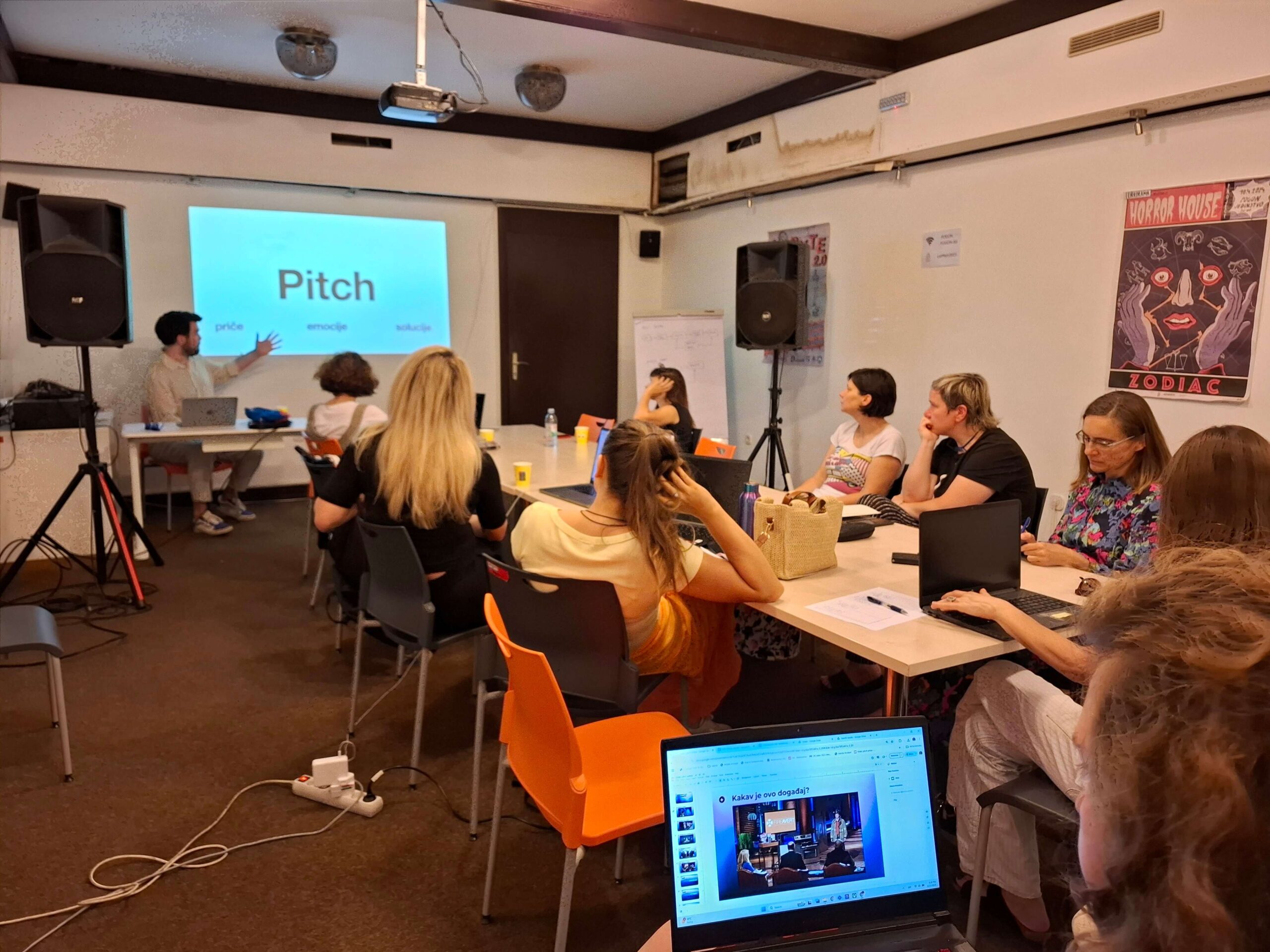
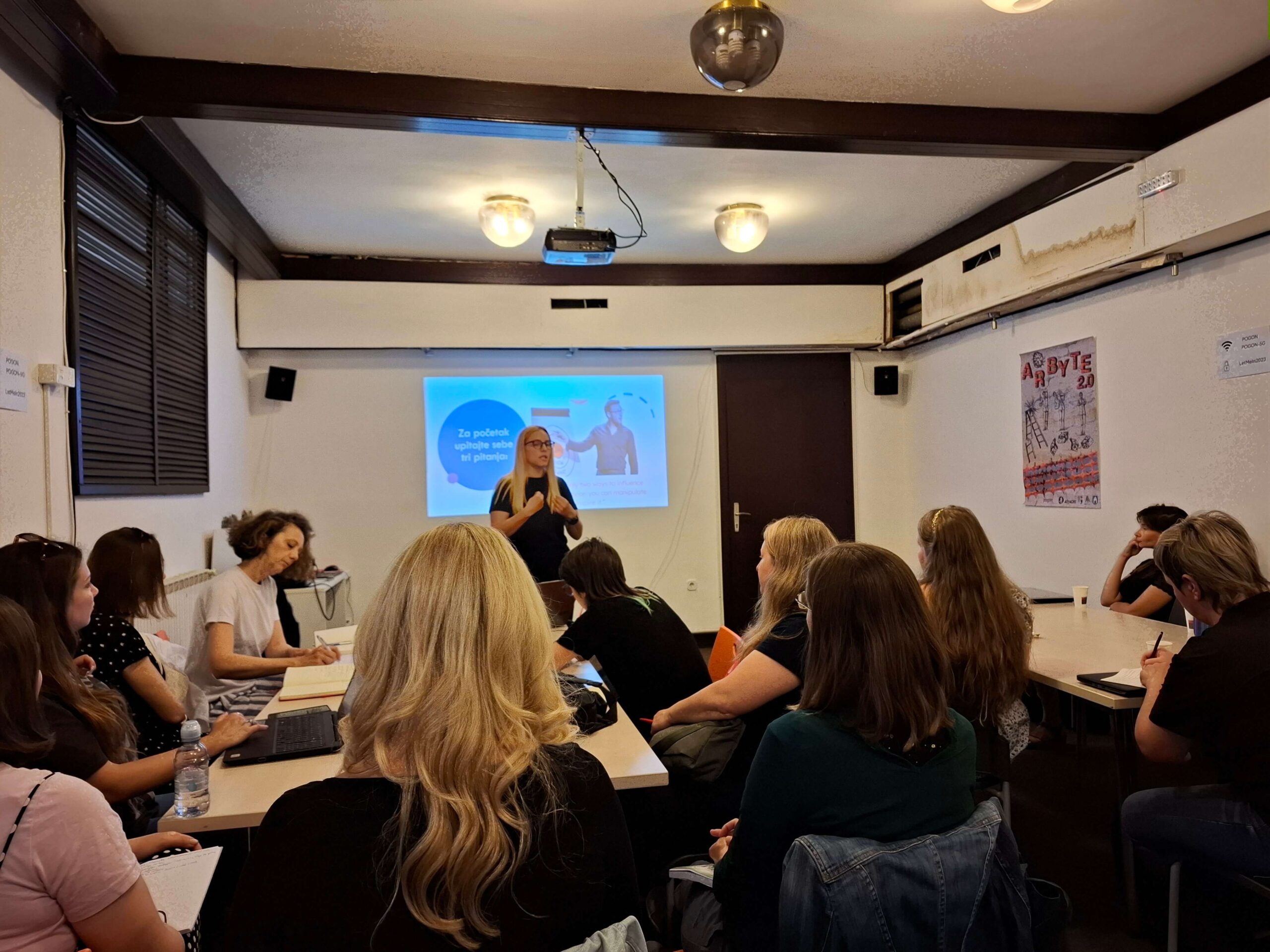
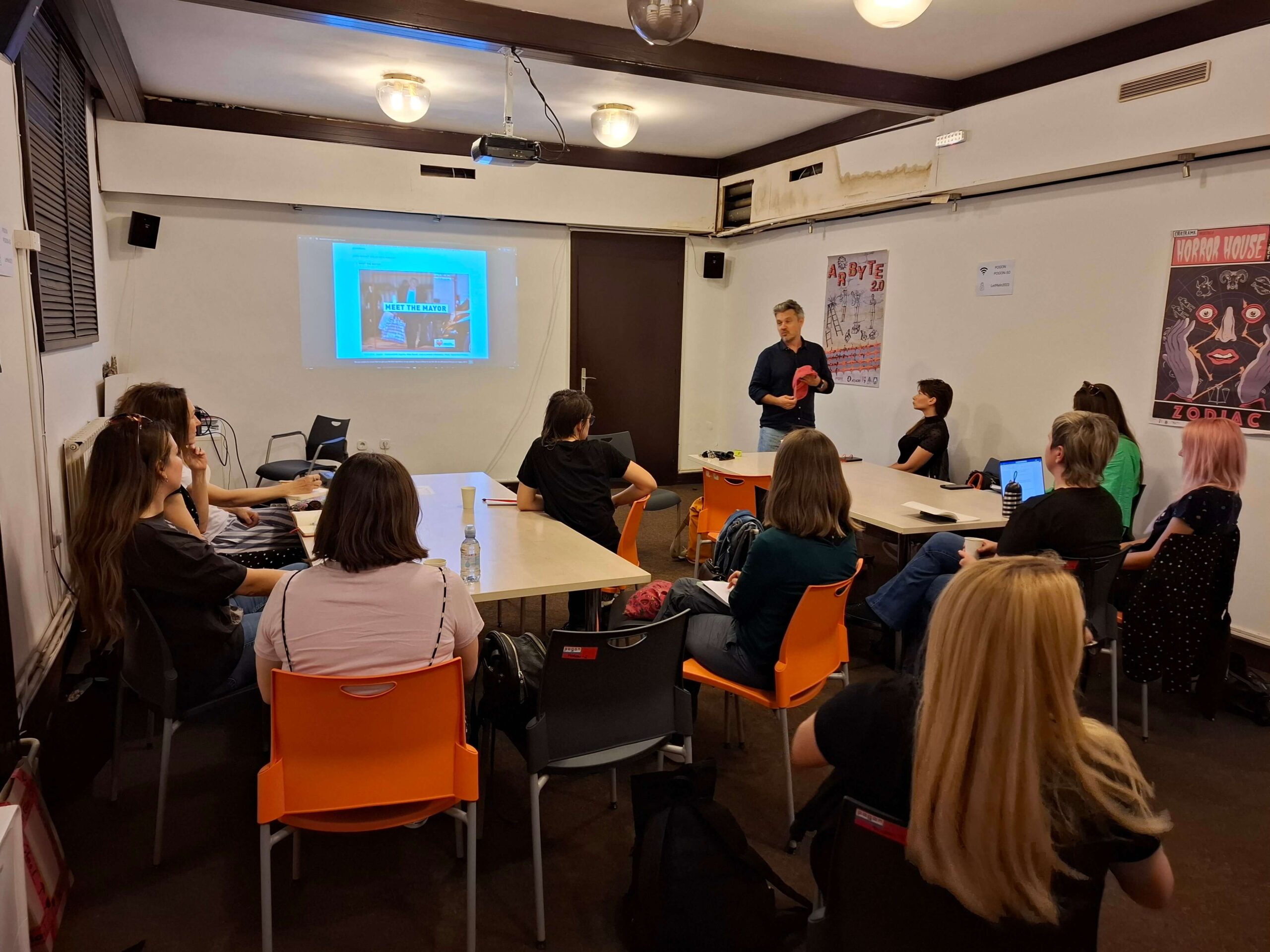
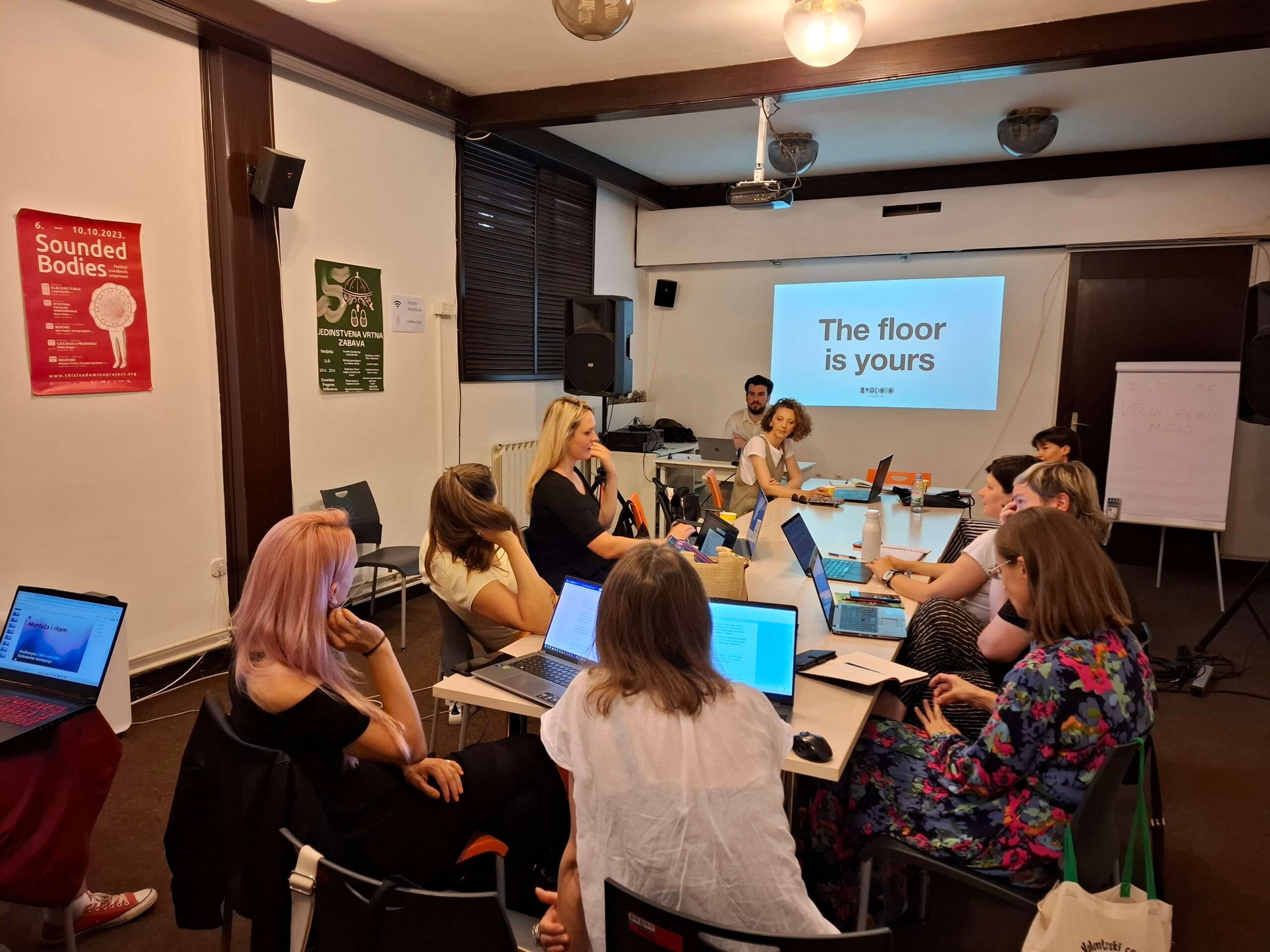
The fifteen initiatives went through the full crowdfunding journey – from the basics and strategy, through defining target groups and rewards, to communication, marketing and storytelling. The programme combined hands-on workshops, mentoring and guest lectures, with a particular emphasis on social responsibility and involving the audience and community in creating culture.
What set the Academy apart from similar programmes was the real-time work. During the workshops, participants filled out a detailed strategy for their own campaign and got thorough feedback on it right away – both from the Brodoto team and from fellow participants. The preparation didn’t stay theoretical; it became a concrete plan.
Who taught, and what
The expert sessions were led by the Brodoto team, each from their own field:
- Branimir Radaković – introduction to crowdfunding, crowdsourcing and blockchain options, a workshop on target groups and rewards (perks), campaign strategy, and a presentation of the AI crowdfunding assistant.
- Ela Naranđa – a module on the Academy’s alumni community, a workshop on communication strategy, storytelling and marketing, and a practical block on paid advertising and SEO.
- Mate Marić – storytelling in culture and the workshop “Pitch: how to present your idea effectively”.
- Ivana Miljković – visual communication and video scripting, or how to shape a campaign’s visual narrative.
A special mark was left by guest director Dario Juričan of the Blank Film Incubator, who shared his experience from crowdfunding campaigns for films such as “Gazda” and “Kumek”, and took part in commenting on ideas and evaluating the programme. His examples showed how innovative funding models can keep cultural projects on their feet.
The ideas that emerged
The best proof of the programme’s value are the projects participants developed. Among the 15 initiatives were:
- a campaign for an independent theatre space and a meeting point for the arts
- a documentary film about the role of caregivers in children’s homes
- an art-therapy and open-studio project at the pediatric and surgical wards of the Klaićeva Children’s Hospital and the Goljak hospital, to reduce stress and anxiety in young patients
- a series of music-photography exhibitions on mental health and abandoned animals
- maths comics for children as educational, creative material
- a foundation dedicated to reviving the work of artist Vojo Radoičić
- designer silk scarves tied to the stories of Croatia’s regions
- DodoFado, a multimedia educational brand for children blending music, story and visual identity
- projects for independent music production and an electronic-music record label
- creative workshops and artist residencies in nature, built around a wooden cabin as a creative retreat
Alongside these, the programme included initiatives in public sculpture, internet radio, publishing, visual-arts projects and small creative businesses, from dolls and dioramas to handicrafts.
What remained after the final workshop
At least four initiatives – among them the art therapy in children’s hospitals, the documentary about caregivers, and the Vojo Radoičić gallery – were already planning to launch their campaigns. The others left with worked-out strategies and an open door for further support.
Beyond concrete campaigns, the programme left something less visible but just as valuable: a network. Artists, cultural workers and creatives met, connected and exchanged experience, which strengthens Zagreb’s independent scene over the long term and opens the door to new collaborations.
Culture gained what it needed – not just funding, but an audience that takes part. And that is a model that lasts well after the last campaign ends.
Brodoto, Basaričekova 11, Zagreb · info@brodoto.com