Before crowdfunding became a familiar word, we noticed a gap. Young people across Europe and its neighbourhood were full of ideas for businesses, social causes and community projects, but few had a way to fund them. Youth unemployment in the EU was twice as high as for other age groups, and banks and local governments rarely backed young innovators, especially those from marginalised groups. At the same time, young people were growing up fluent in exactly the digital tools a crowdfunding campaign needs. Youth Funder was built to connect those two facts.
About the project
Youth Funder was the first edition of what later became Youth Funder 2.0. It was funded by the Erasmus+ programme (Key Action 1, mobility of youth workers) through the Croatian Agency for Mobility and EU Programmes and coordinated by the Zagreb NGO Alternator.
The project ran for six months, from October 2017 to March 2018. Its central activity was a seven-day training course in Zagreb, held from 21 to 27 January 2018.
The idea was simple: rather than train young people one by one, train the youth workers who support them every day. Once they know how to mentor a crowdfunding campaign, they can help many more young people turn their ideas into reality.
Who took part
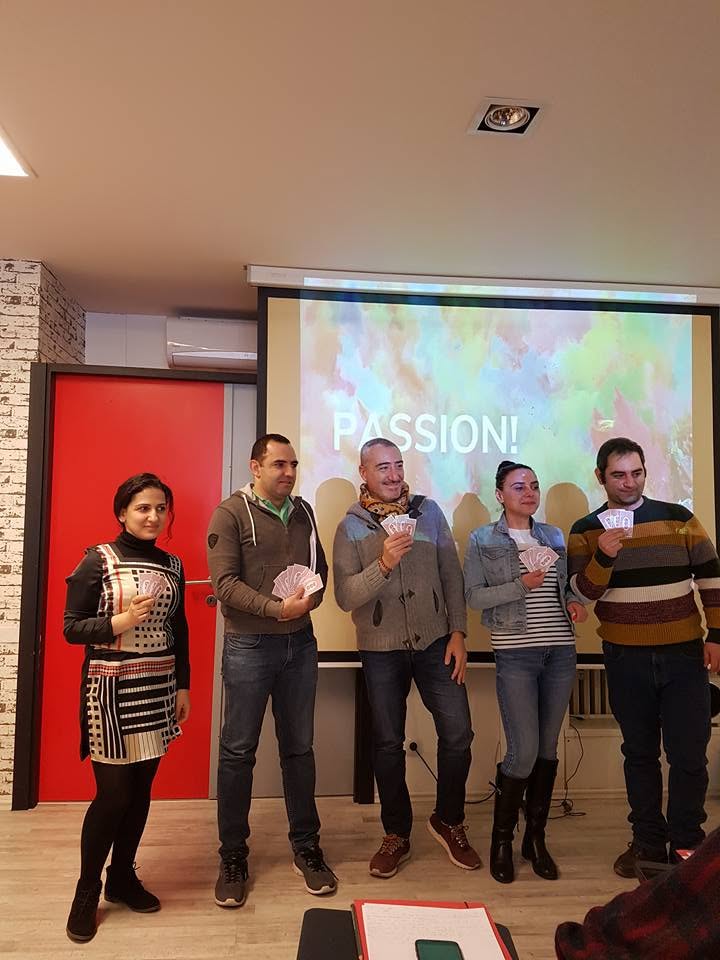
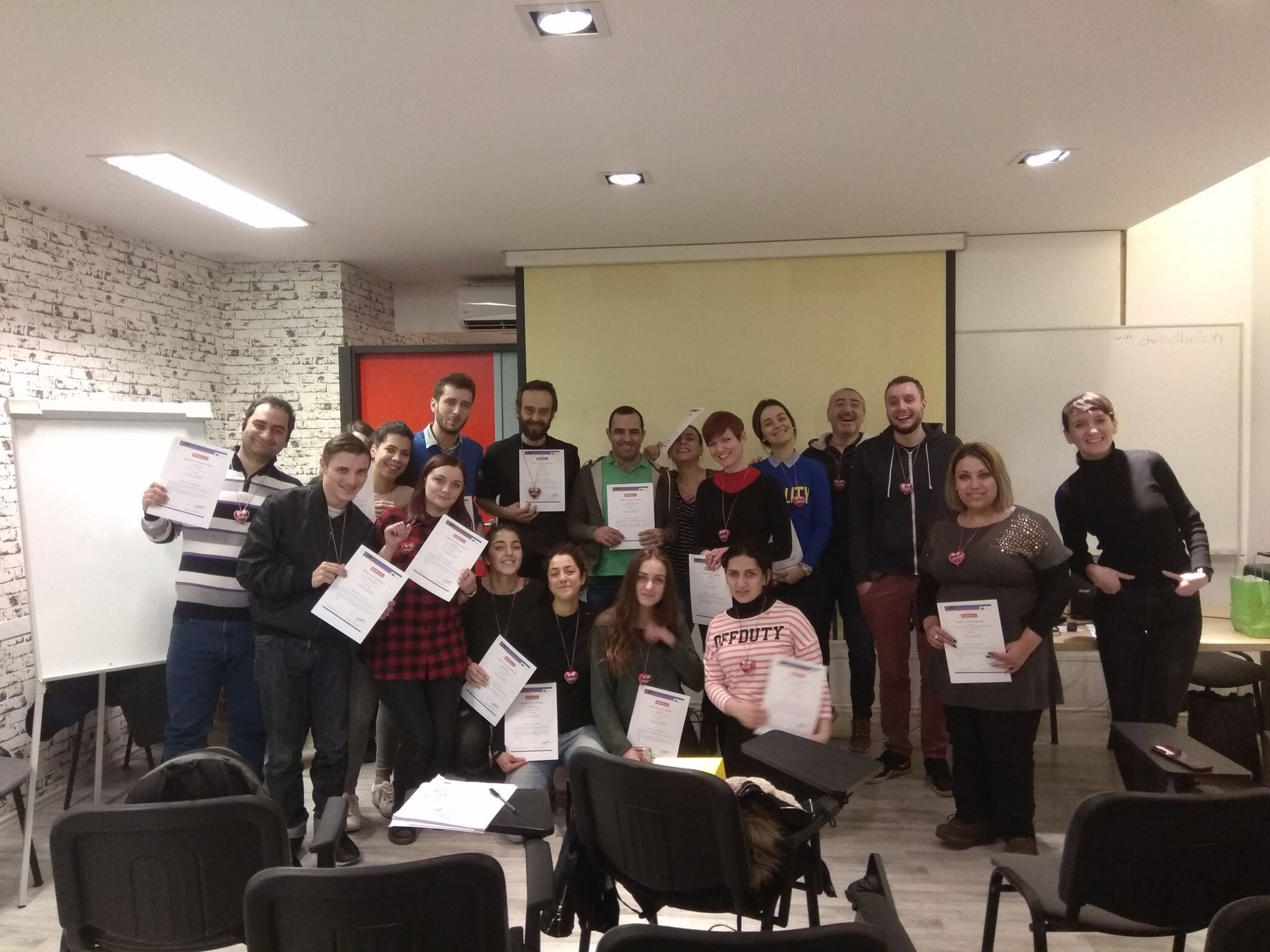
22 youth workers from six countries came to Zagreb: 13 women and 9 men, aged from 18 to over 30. Seven came from backgrounds with fewer opportunities and two had special needs. Many of them work with young people with disabilities, refugees, Roma and other groups who rarely get support from traditional funders. Our partners were:
- CEFE Macedonia, Skopje, North Macedonia
- Stella Marina Cultural Association, Taranto, Italy
- Youth Association DRONI, Tbilisi, Georgia
- Eurasia Net, Marseille, France
- Global Youth Union, Yerevan, Armenia
The participants brought a wide range of experience, from youth work, human rights and refugee support to video production, IT and running their own start-ups.
What we covered
Before arriving, each participant picked the three best and three worst crowdfunding campaigns from their country and came with an idea worth crowdfunding. The training then covered every stage of a campaign:
- Crowdfunding basics: what crowdfunding is, the elements of a campaign and why people choose to back projects
- From idea to strategy: developing the idea with the business model canvas and building a campaign strategy
- Targeting backers: who the campaign is for and how to reach them
- Storytelling and content: telling a story that makes people care
- Pitching: two pitching rounds, first three minutes, then one, to sharpen the message
- Perks: designing rewards for the campaign
- Video: writing a video scenario, then shooting a promo video
- Communication plan, social media and PR: promoting the campaign before, during and after launch
- Technical aspects and after the campaign: drafting the campaign on Indiegogo and delivering on promises
A panel with Antonia Ćosić of the NGO Pričaj mi priču, who had run her own campaign, brought real experience into the room.
Learning by doing
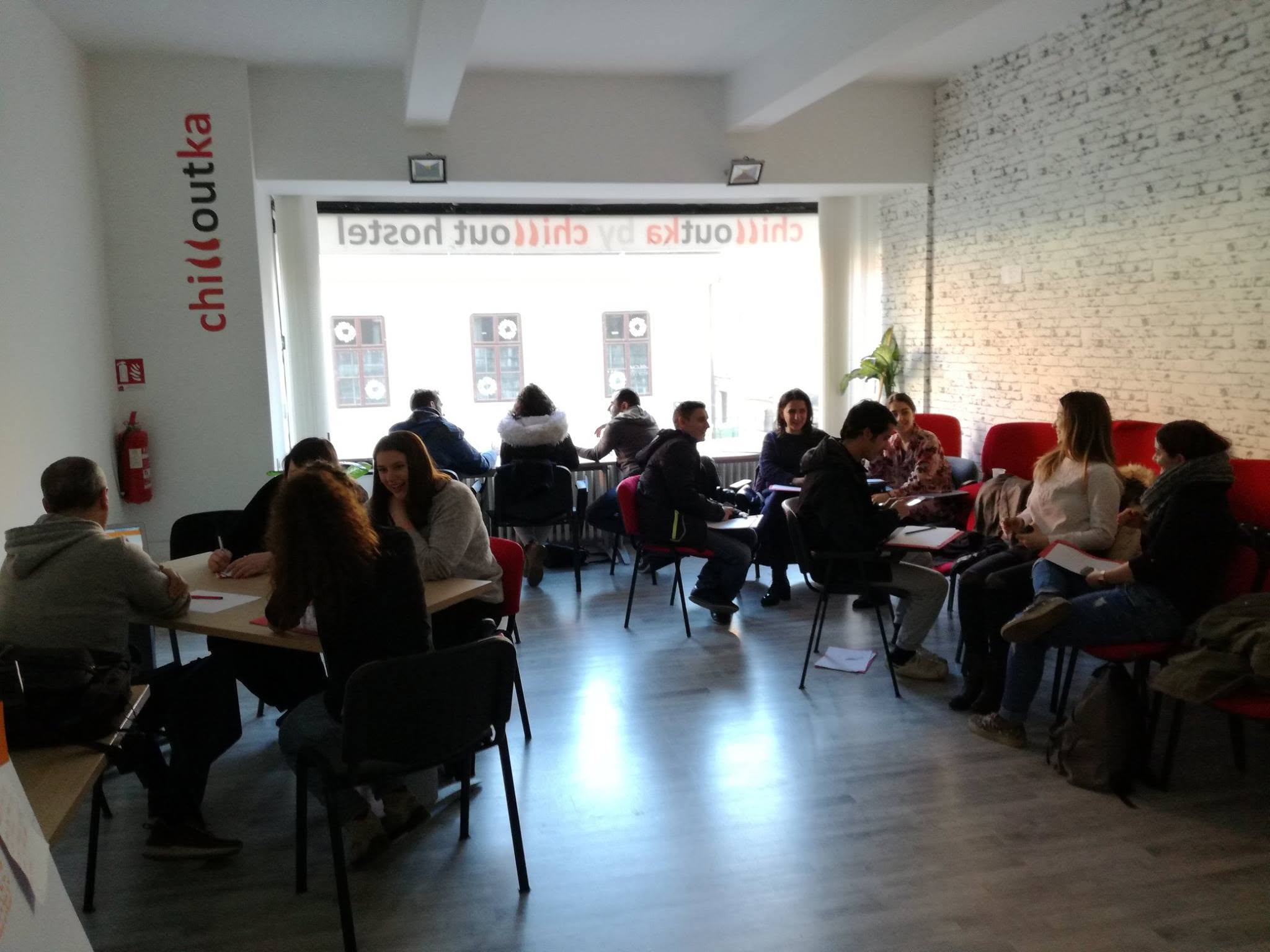
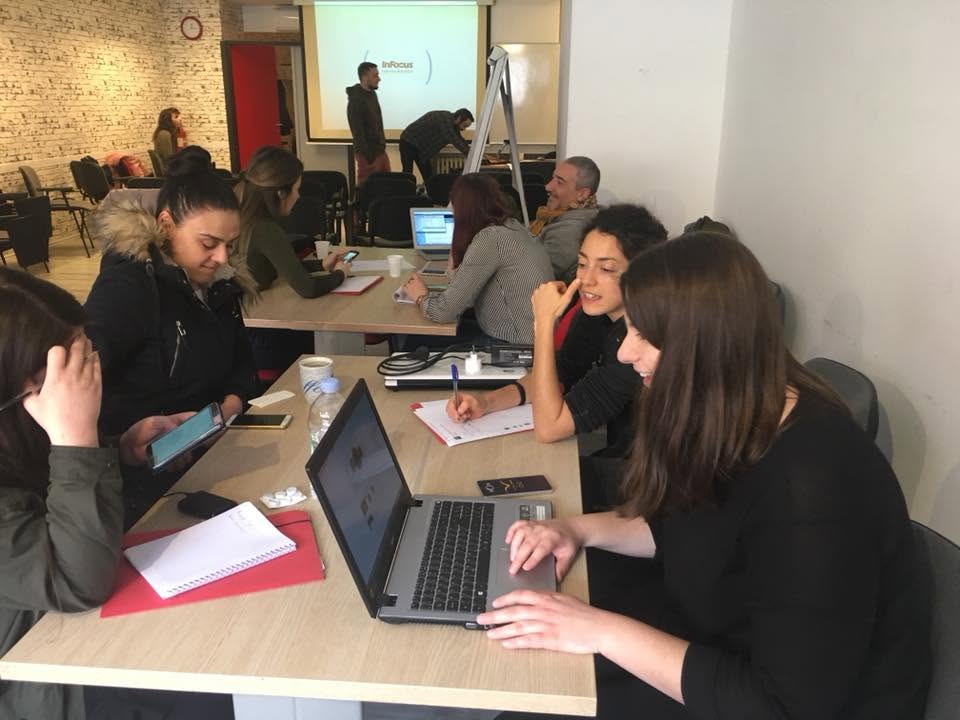
Lectures were deliberately short, five to seven minutes, and every one was followed straight away by practical work. Participants worked in international teams on real campaign ideas, which meant English was the only shared language and every team had to find common ground across cultures. Partners also shaped the programme: the Armenian participant led a session on presenting business ideas, the Georgian team ran the energizers and the Italian team led the video shooting.
Five ideas, five campaign strategies
The teams developed full crowdfunding strategies for five projects:
- 100 wheelchairs for children with disabilities
- Creative gift packs
- A sign language translation mobile app
- Renovating an abandoned building in Brindisi, Italy, into an open space for young creatives and workers
- A shelter for homeless and abandoned animals
Two teams, working on the sign language app and the animal shelter, went beyond what we had planned and produced draft campaign videos during the week.
Outcomes
The project produced three outputs that anyone can use to prepare a campaign or teach crowdfunding:
- a campaign strategy template, filled in by every team
- a publication on campaign preparation, written by the participants, covering everything from idea development to perks delivery
- a video in which participants share what they learned
Most participants said that everything they wrote in their strategy was new knowledge. Beyond crowdfunding, they strengthened their digital, entrepreneurial, project management and intercultural skills, along with their English and public speaking.
What came next
The partners shared the results with their communities and kept working together, with new joint Erasmus+ projects planned with the partners from Italy, Georgia and Armenia. We were invited to speak and run a crowdfunding workshop at the “Ready to START – Wake UP” conference in Italy.
The experience from Zagreb also laid the groundwork for Youth Funder 2.0, which three years later took the same approach further, with a stronger focus on teaching methodology and a new group of partners.