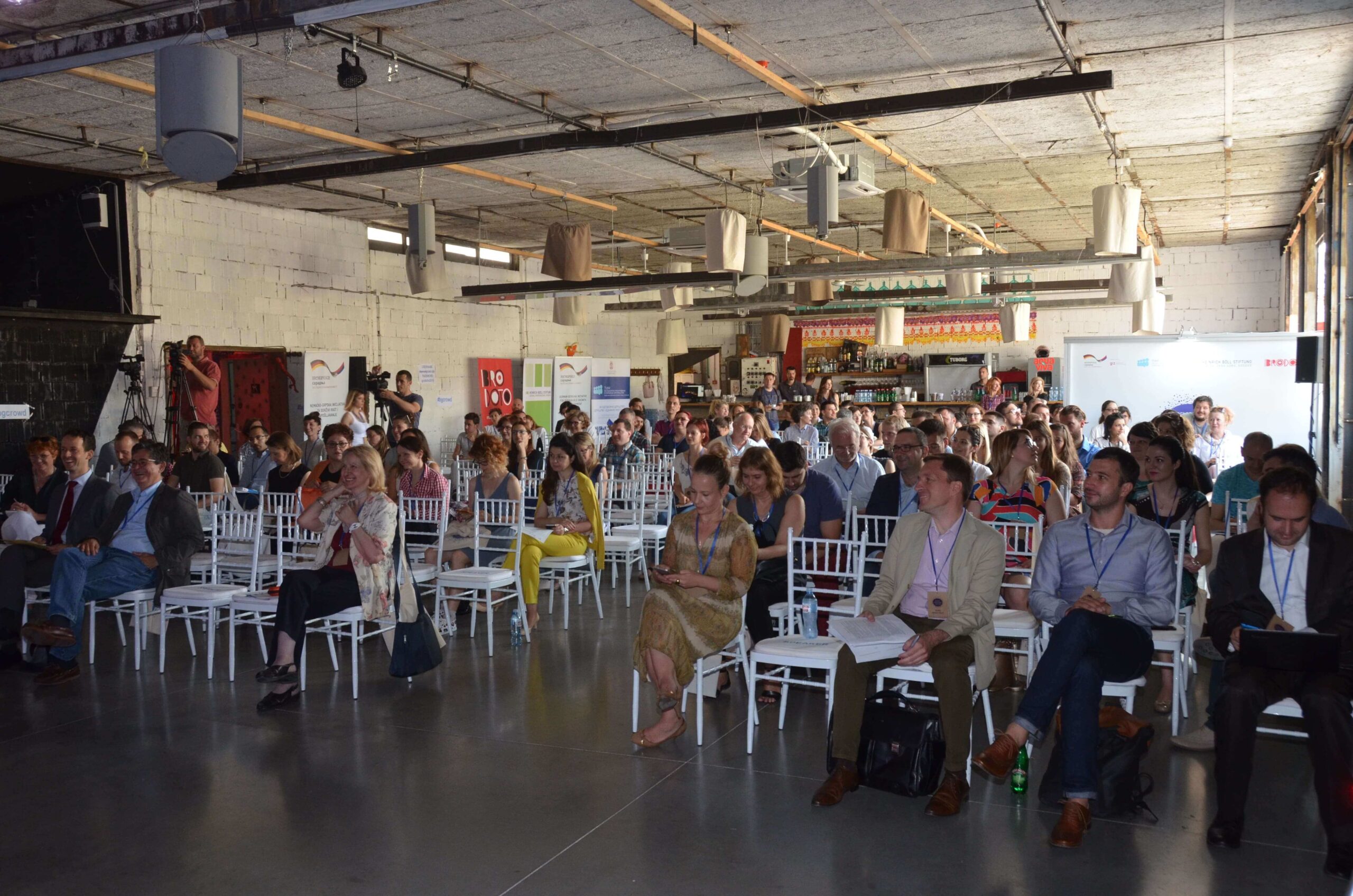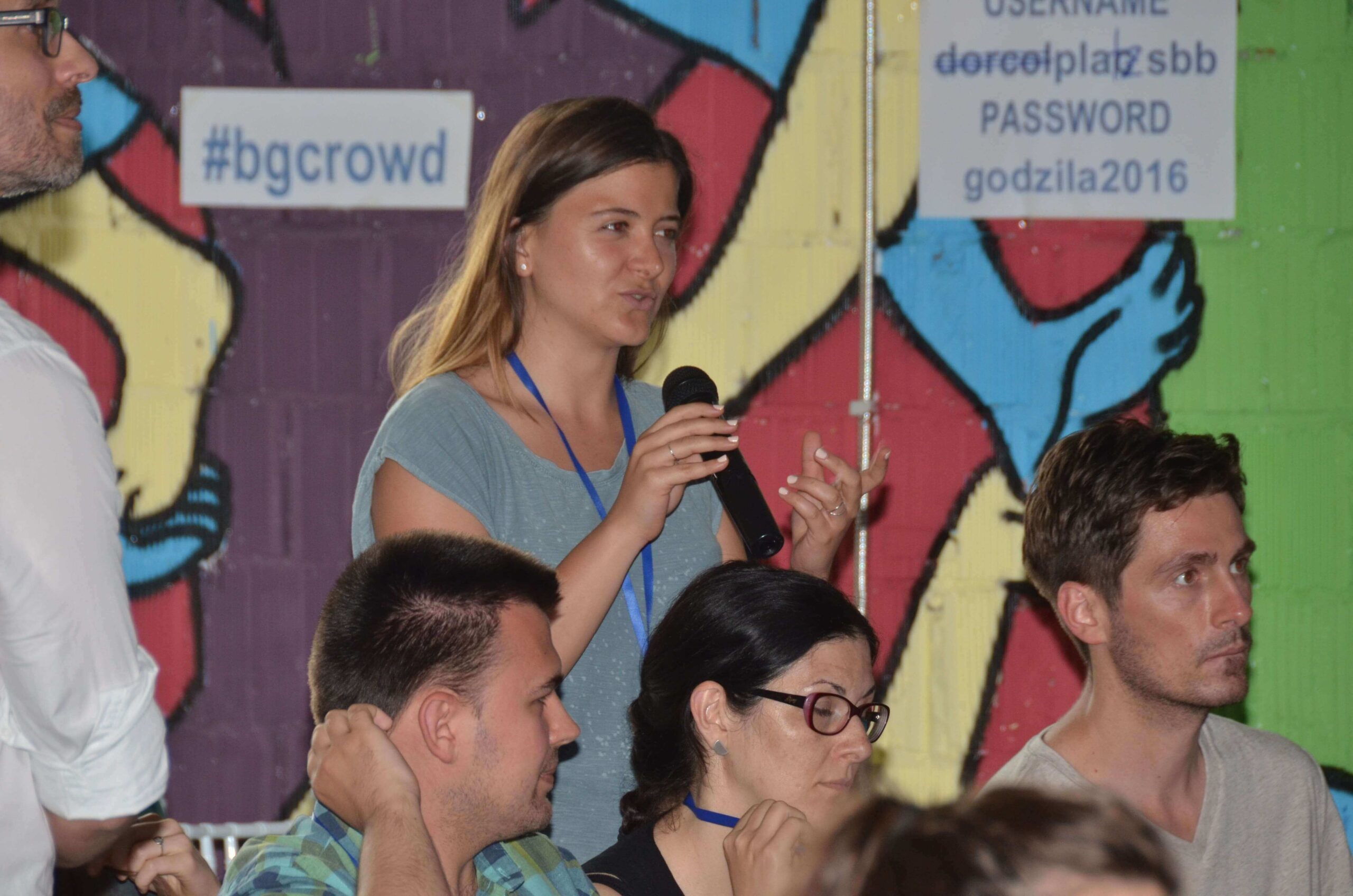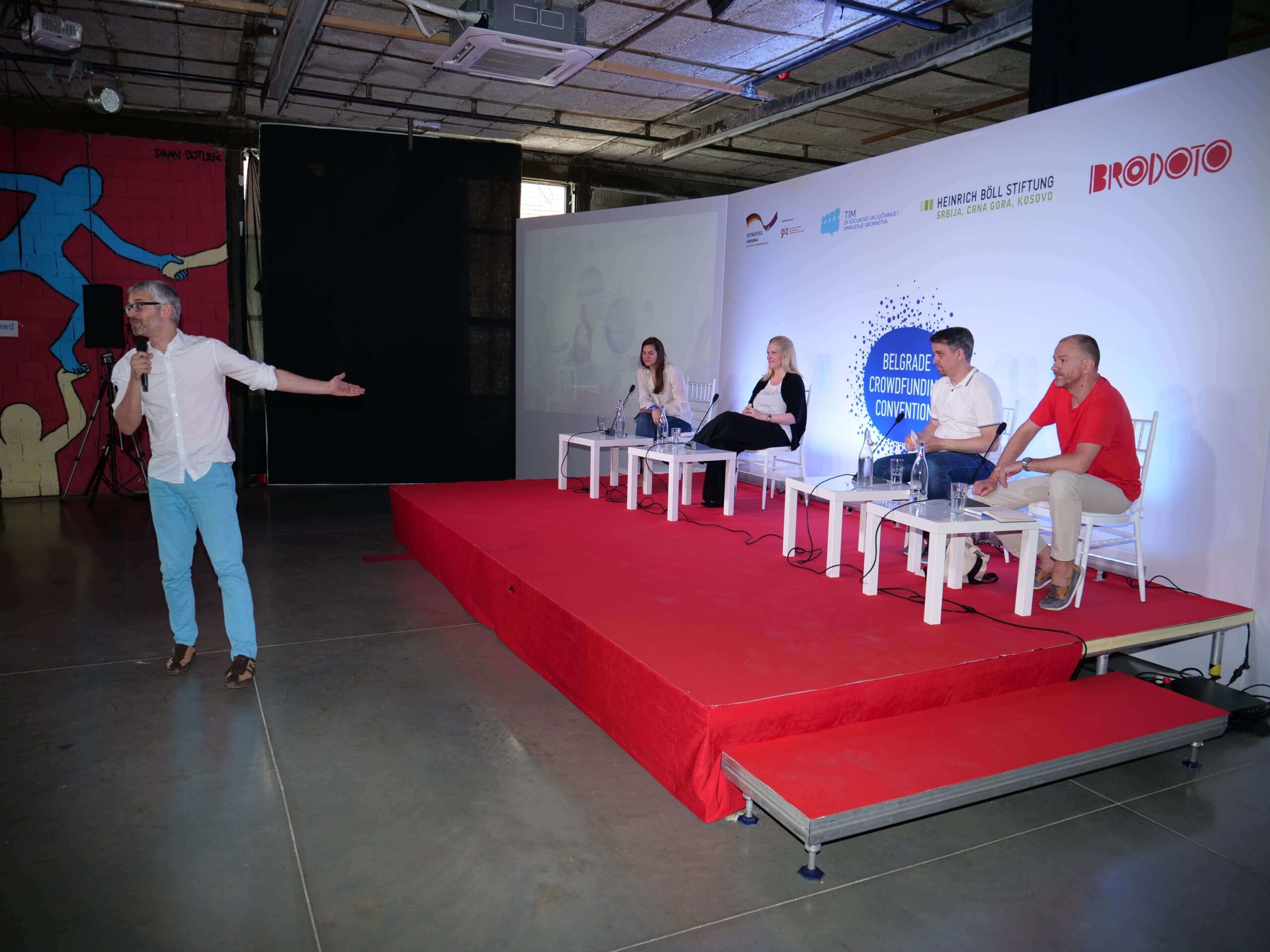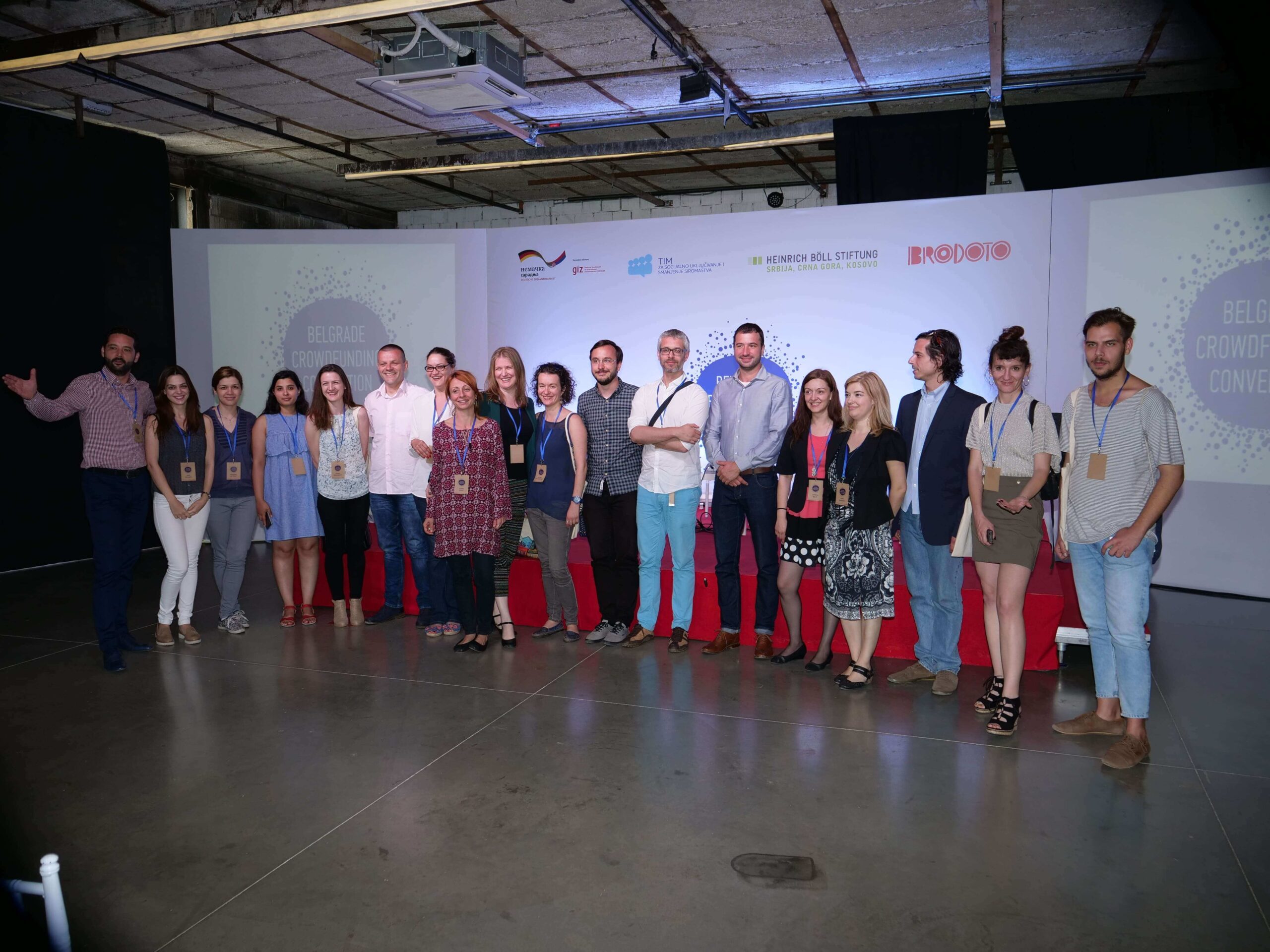
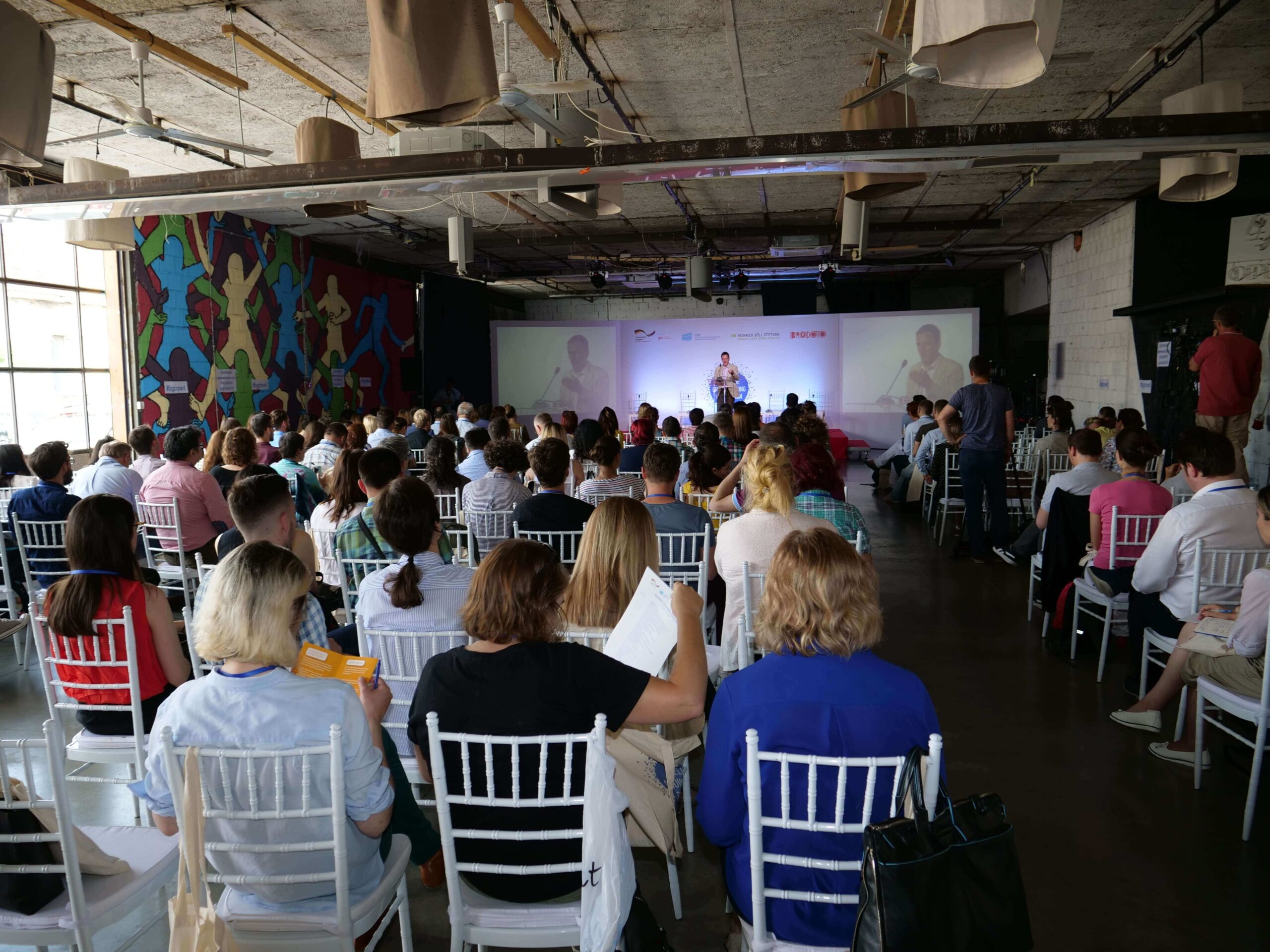
The first Belgrade Crowdfunding Convention took place on 7 June 2017. It was organised by Brodoto together with the German-Serbian Initiative for Sustainable Growth and Employment, the Social Inclusion and Poverty Reduction Unit of the Government of Serbia (SIPRU) and the Heinrich Böll Foundation, and brought together a large audience from Serbia, the wider Balkans and Europe.
Opening the Convention, Alexander Jung, Deputy German Ambassador to Serbia, described crowdfunding as a potential answer to many of the challenges entrepreneurs face, but stressed that it can only grow with the right legal framework.
“Crowdfunding is the fastest-growing form of financing and it matters for small and medium-sized enterprises. And it’s not just financing. There are people in it, there is soul.”
Alexander Jung, Deputy German Ambassador to Serbia
Lessons from Europe
Karsten Wenzlaff of IKOSOM, the German Crowdfunding Association, walked through examples of both successful and failed campaigns. His message was that a business must be sustainable beyond its campaign and that founders need a plan for what comes after success. He also warned that crowdfunding scams undermine trust across the whole field, and explained that crowdfunding markets tend to grow in step with a country’s GDP, which is why they are more developed in Western Europe.
Crowdfunding in Serbia in numbers
Marko Gregović of Brodoto presented research on crowdfunding in Serbia. By mid-2016, campaigns from Serbia had raised a total of $653,134, roughly what the UK raises every five days. Of 570 Serbian campaigns, only 41 succeeded. Art projects were the largest category at 32 per cent, women led just 27 per cent of campaigns, and Kickstarter proved more successful than Indiegogo for Serbian creators.
Why Slovenia leads, and what Serbia needs
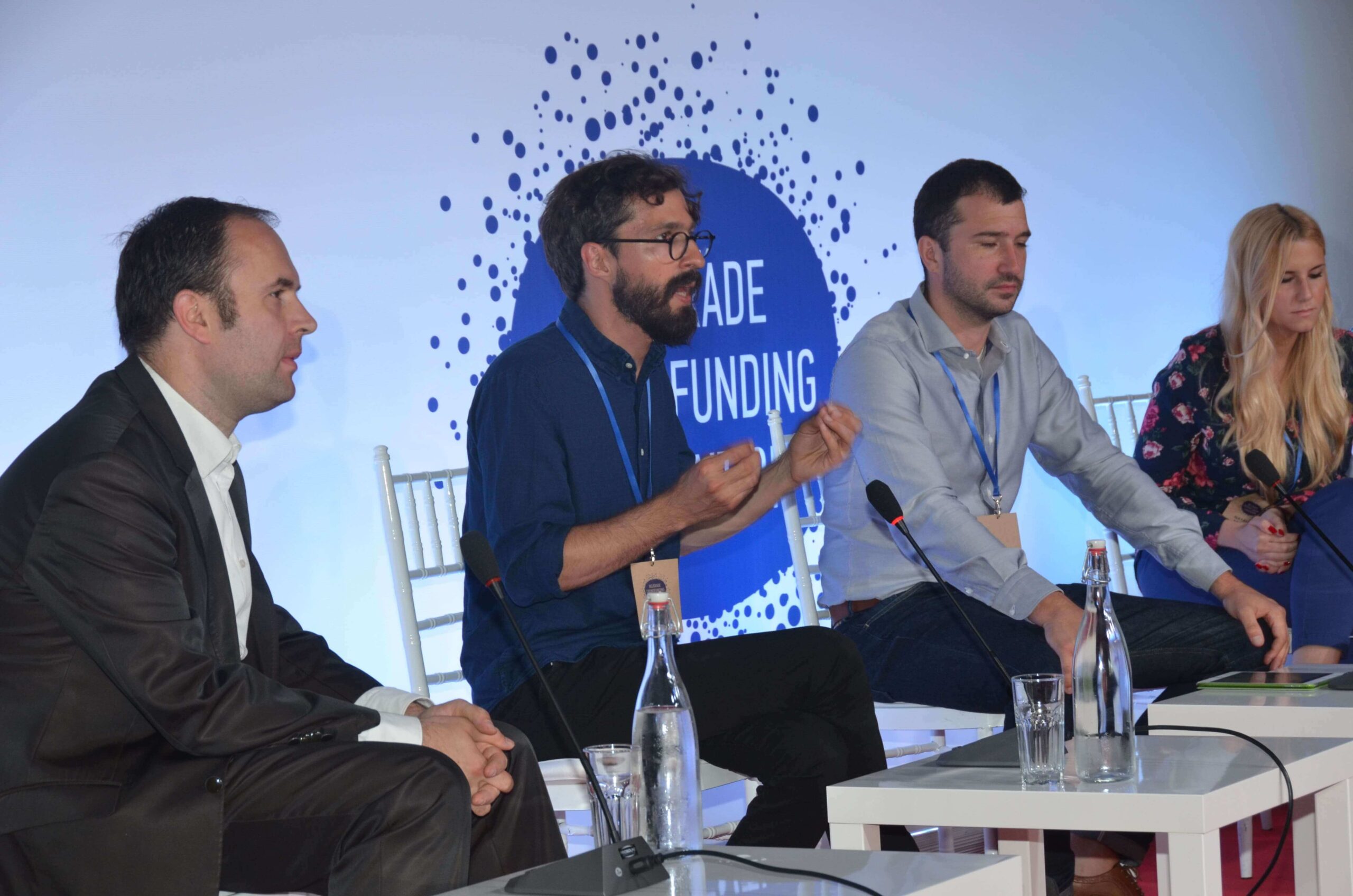
In a panel on why Slovenia is a crowdfunding powerhouse, Luka Piškorič of the Poligon platform explained that crowdfunding has built a community of people from very different backgrounds who create initiatives that drive positive social change. A successful campaign, he said, depends on strong social capital.
Looking ahead, Karsten Wenzlaff, Luka Piškorič, Natalija Sandić (Innovation Fund Serbia) and Nathan Koeshall (Catalyst Balkans) agreed that crowdfunding can spark new creative movements and help democratise society, and that educational institutions, especially arts faculties, should support it. They named the lack of adequate legislation as one of the main obstacles in Serbia.
Campaigners’ stories
Zoja Kukić (Startit Center), Jovana Ružičić (Support Moms in Serbia) and filmmakers Aleksandar Pavlić and Laurent Rouy shared their experiences. Pavlić crowdfunded a documentary about musician Vlada Divljan, and Rouy a feature film about migration. All of them highlighted the power of personal contacts and friendships, and the motivation and patience every campaign demands.
“Be prepared to spend all your time persuading people you know, and people you don’t, to support something you believe in but they perhaps don’t.”
Laurent Rouy, director of the film At the Border
Guests from Croatia presented successful regional campaigns: Roberta Mesić from Buba Bar, a café that employs people with disabilities; Ana Teskera, co-owner of the Brlog cooperative brewery; and Domagoj Štivić from Makerbuino, which crowdfunded a DIY games console that users build themselves with online instructions. Like their Serbian peers, they stressed the importance of marketing, personal networks and a huge investment of time and effort.
Pitch competition and closing
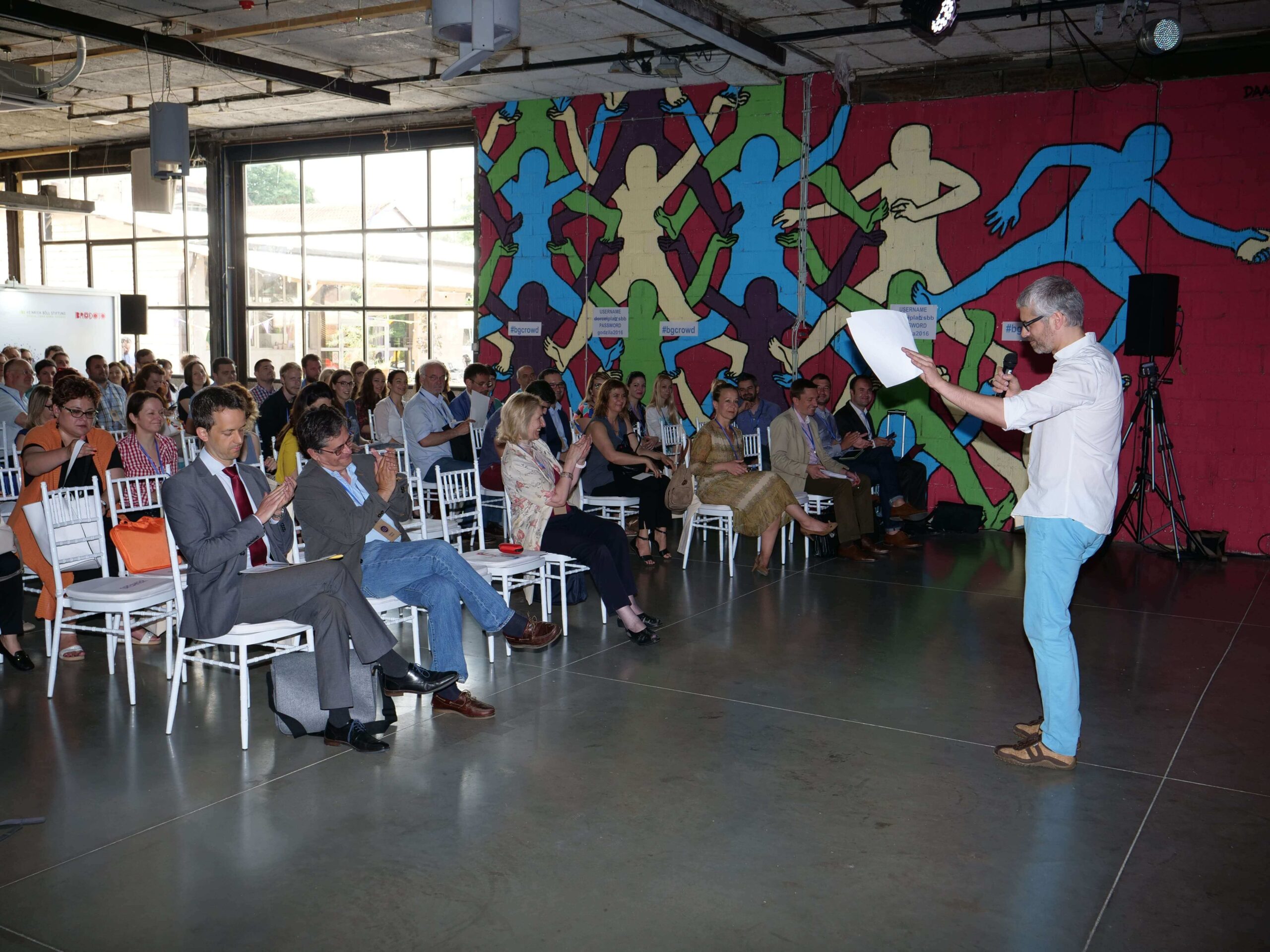
Several campaign ideas were pitched at the Convention. The audience voted Škograd, a blog promoting new schools on the outskirts of Belgrade in the Ledine neighbourhood, as the project with the greatest potential, and it won a financial prize.
Kristina Lauš from Brodoto closed the day by presenting the steps to a successful campaign. She emphasised that crowdfunding is a transparent process built on the trust of backers, and that through campaigns with social impact, both initiators and their supporters become agents of social change.